Veterans are already microdosing — but that experience hasn’t made it into the research. Without it, the results remain anecdotal — easy for clinicians and policy to dismiss. Your experience could help thousands of fellow veterans.
“As a combat veteran myself, I know firsthand how inadequate conventional treatments are. This research is my mission to help open new therapeutic doors for the veteran community.”
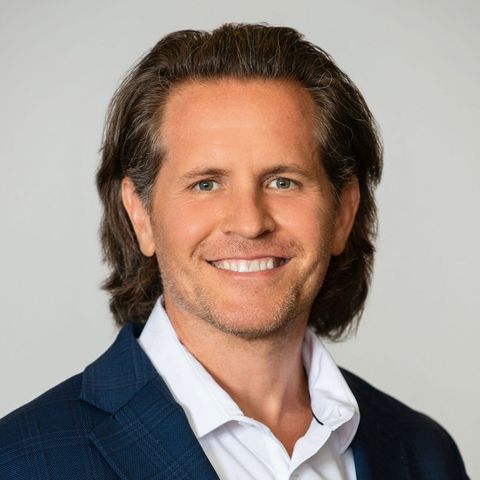
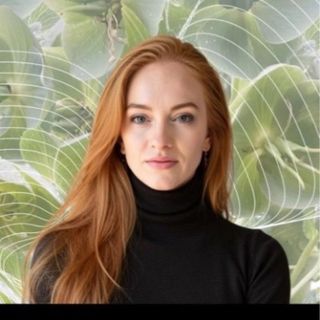
Patrick Nienaber is an OIF veteran and doctoral candidate at the California Institute of Integral Studies (CIIS). His research focuses on microdosing as a potential intervention for combat-related PTSD — a topic born from personal experience and academic rigor.
Patrick Nienaber, PhD(c)
Principal Investigator
U.S. Combat Veteran — OIF
2023 Pat Tillman Scholar
Doctoral Candidate, CIIS
Ethics-Approved Principal Investigator
Peer-reviewed research methodology
Two Studies, One Program
Active now: LSD. Planned next: psilocybin.
A doctoral dissertation has to commit to a certain study direction — protocol, ethics approval, and analysis plan are all built around it. Study One is microdosed LSD, recruiting now. Study Two examines the same questions in microdosed psilocybin, planned post-dissertation under the same researcher. Pick the path that fits you.
Study One · Active
Microdosed LSD
Ethics-approved doctoral research recruiting now. Combat veterans ages 21–50 with a PTSD diagnosis and microdosing LSD experience (with or without psilocybin). 80-minute interview, fully remote, completely confidential.
For veterans whose microdosing experience has been psilocybin only. Planned post-dissertation under the same researcher. Requires separate ethics approval before recruitment opens. No firm date — the waitlist is the way to be among the first contacted.
Recruitment for a study like this depends on people who know veterans — spouses, parents, clinicians, friends. Three small actions can meaningfully help.
Your Experience Could Help Thousands of Fellow Veterans
The screening is purely to see if you qualify. Confidential, zero risk to your benefits, and your experience could change the future of veteran mental healthcare.
Ethics-Approved · Fully Confidential · No Impact on VA Benefits or Clearances
Study Details
What to Expect
This is an online, interview-based study. There is no in-person component, no requirement to use any substance, and no risk to your current benefits or status.
Who Can Participate
U.S. combat veteran (veterans only — currently serving military personnel are not eligible at this time)
Have a PTSD diagnosis
21–50 years old
Have experience with microdosing LSD
What’s Involved
Brief screening survey to confirm eligibility
If qualified: 80-minute phone interview at your convenience
No in-person meetings or medical procedures
No substances provided — retrospective study only
Completely voluntary — opt out anytime
Your Benefits
Contribute to veteran mental health research
Help develop future therapeutic options
Safe, confidential, no risk to VA benefits
Advance knowledge that could help fellow veterans
Common Questions
Frequently Asked Questions
We understand you may have concerns. Here are answers to the questions veterans ask most.
No. This is a completely confidential study. Your responses cannot be traced back to you. There is absolutely no impact on your VA benefits, security clearance, or military record. You are sharing your experiences — not submitting to any test or evaluation.
The study is seeking veterans who have experience with microdosing LSD. If you have tried it and have a PTSD diagnosis, your experience is valuable regardless of whether you are still using it.
The active dissertation study is on microdosing LSD specifically — the protocol, ethics approval, and data analysis plan are built around it. If you’ve microdosed LSD (with or without psilocybin), the 5-minute screening will tell you if you qualify. If psilocybin is the only substance you’ve microdosed, a psilocybin follow-up is planned post-dissertation under the same researcher, pending separate ethics approval — join the Phase 2 waitlist to be notified when it opens.
You are sharing your experiences in a confidential interview — there is no legal risk in participating. The study is conducted under ethics board oversight with strict confidentiality protocols. You are simply answering questions about your experiences in a long-form conversation.
Only the research team, under strict confidentiality agreements, will access de-identified data. No identifying information is ever linked to your responses. Aggregate findings may be published, but no individual can ever be identified.
Veteran suicide rates remain a national crisis. Conventional treatments work for some but fail many others. This research explores whether microdosing LSD — a practice already used by many veterans — could become a validated, accessible therapeutic option. Your participation could change the future of veteran mental healthcare. For the broader peer-reviewed research on veterans and psychedelic-assisted therapies, see Veterans & Psychedelics: the research.
Why Trust This Study
Built around what veterans actually worry about.
If you’re weighing whether to participate, these are the four questions that probably matter most.
🇺🇸
No Impact on VA Benefits
Your responses are de-identified and never shared with the VA, DoD, or any federal agency. Participation does not affect benefits, disability ratings, or clearances.
⚖️
No Legal Risk
You are never asked to disclose details that could identify you. Data is stored without your name. Researchers cannot connect what you share to who you are.
🎖
Veteran Researcher
The principal investigator is an OIF combat veteran who understands the realities of service and PTSD — not a clinician who’s only read about it.
🎓
Ethics-Approved Doctoral Research
Reviewed and approved by the CIIS Ethics Board. Conducted under formal academic oversight, with peer-reviewed publication as the goal.
The Research Team
Led by Scholars. Guided by Experience.
This study is led by an interdisciplinary team of psychologists, neuroscientists, and consciousness researchers — united by a commitment to veteran wellbeing and rigorous science.
Principal Investigator
Patrick Nienaber, PhD(c)
Lead Researcher
Advancing holistic wellness through transpersonal psychedelic research. 2023 Pat Tillman Scholar and OIF combat veteran. Doctoral candidate at CIIS.
Dissertation Committee
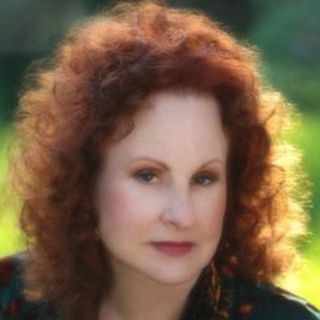
Jenny Wade, PhD
Dissertation Chair
Research psychologist, educator, and organization development consultant dedicated to the maximization of human potential individually and collectively.
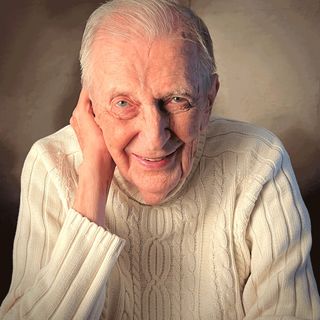
Stanley Krippner, PhD
Internal Committee Member
American psychologist and pioneer in consciousness research, cross-cultural perspectives, and non-ordinary experiences. Co-author of five books on war trauma and PTSD.
Grace Blest-Hopley, PhD
External Committee Member
Researcher in the neurochemical and neurofunctional underpinnings of cannabis, cannabinoids, and psychedelics. Research Director at Heroic Hearts Project.
Advisor
James Fadiman, PhD
Informal Advisor
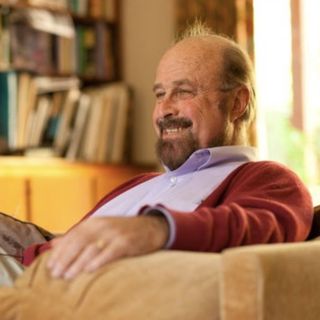
Widely regarded as the father of modern microdosing research. Harvard BA, Stanford PhD in Psychology. Co-founder of the Institute of Transpersonal Psychology. Collecting microdosing reports from thousands of participants across 59 countries since 2010.
When You’re Ready
Your Experience Is the Research
You’ve seen who’s behind this and how it’s protected. The next step is the screening — anonymous, and you’ll know on the spot whether you qualify.
Not a participant but interested in the outcomes? Get study milestones, findings, and future research opportunities. Frequency tracks the work — sometimes monthly, sometimes quieter. No marketing, easy to unsubscribe.
Your email is never shared. Unsubscribe anytime.
Support This Research
Three ways to help this research reach the people it’s for
Stay informed, share with your network, or wear the mission. Every action helps move this study forward.